Babysitting Guides for Parents in Japan
New to Babysitting in Japan?
Start with our complete guide: Babysitting in Japan: Complete Guide for Parents
Hiring a Babysitter
- How to Hire a Babysitter in Japan
- Babysitter Interview Questions
- Preparing for Your First Babysitter
- Getting Your Time Back with Babysitting
- Why Trying a New Babysitter Can Be a Great Choice
- Babysitter vs Nanny in Japan: What’s the Difference?
- Can a Babysitter Pick Up My Child From School in Japan?
- Emergency Babysitting in Tokyo: What Are Your Options?
Costs and Practical Information
Language and Education
Safety and Regulations
Find a Babysitter in Japan
CareFinder connects families with screened babysitters across Japan. Browse sitter profiles, read reviews, and message sitters directly.
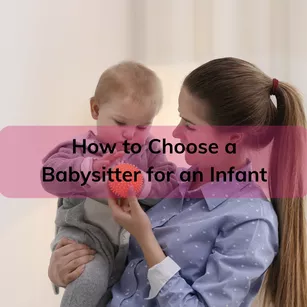
How to Choose a Babysitter for an Infant
Choosing a babysitter for an infant can feel different from hiring care for an older child. Babies need close attention, gentle handling, safe sleep routines, feeding support, and clear communication between parent and sitter.
The right sitter for an infant is someone who has relevant baby-care experience, follows your family’s routines carefully, and communicates calmly. If you are new to babysitting services in Japan, CareFinder’s complete guide to babysitting in Japan can help you understand the...
For international and bilingual families in Japan, English-speaking babysitters can help children keep English active while they attend Japanese nursery school, kindergarten, elementary school, or local after-school programs. The goal is not to replace school or turn every afternoon into a lesson. The goal is to make English part of normal life through conversation, play, reading, routines, and warm one-on-one care.
Japanese schools can be a wonderful environment for children to build friendships, learn local culture, and become confident in Japanese. At the same time, many...
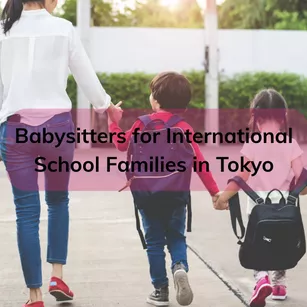
International school families in Tokyo often need childcare that fits around school pickup, after-school activities, bilingual routines, homework, holidays, and changing parent schedules. A babysitter can help bridge the gap between school and home while keeping children comfortable in English or another family language.
For many families, the right sitter is not just available at the right time. The sitter also understands cross-cultural households, school routines, communication with children in English, and practical details such as transport. CareFinder helps families...
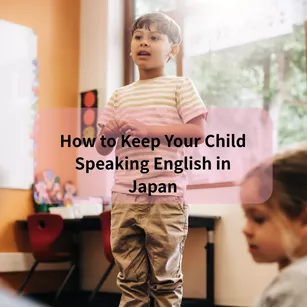
Keeping a child comfortable in English while living in Japan usually works best when English becomes part of normal life, not just a weekly lesson. Families can use books, songs, routines, playdates, media, school support, and English-speaking babysitters to create regular, low-pressure chances to use English.
For many families, the goal is not perfect grammar every day. The goal is to help children continue to understand, answer, play, ask questions, and feel emotionally comfortable in English. If your family is...
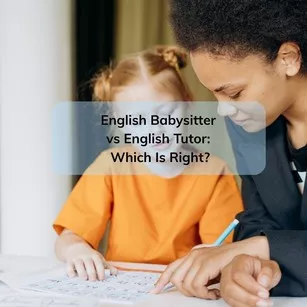
If you want your child to become more comfortable with English, you may wonder whether to hire an English-speaking babysitter or an English tutor. Both can help, but they serve different purposes.
An English babysitter usually focuses on childcare while using English naturally through play, conversation, reading, routines, and everyday activities. An English tutor usually focuses on structured learning, lessons, homework, grammar, reading, writing, test preparation, or specific academic goals.
The short answerChoose an English babysitter if your main goal is natural...