Kid-Friendly Disaster Preparedness Spots & Family Safety Tips
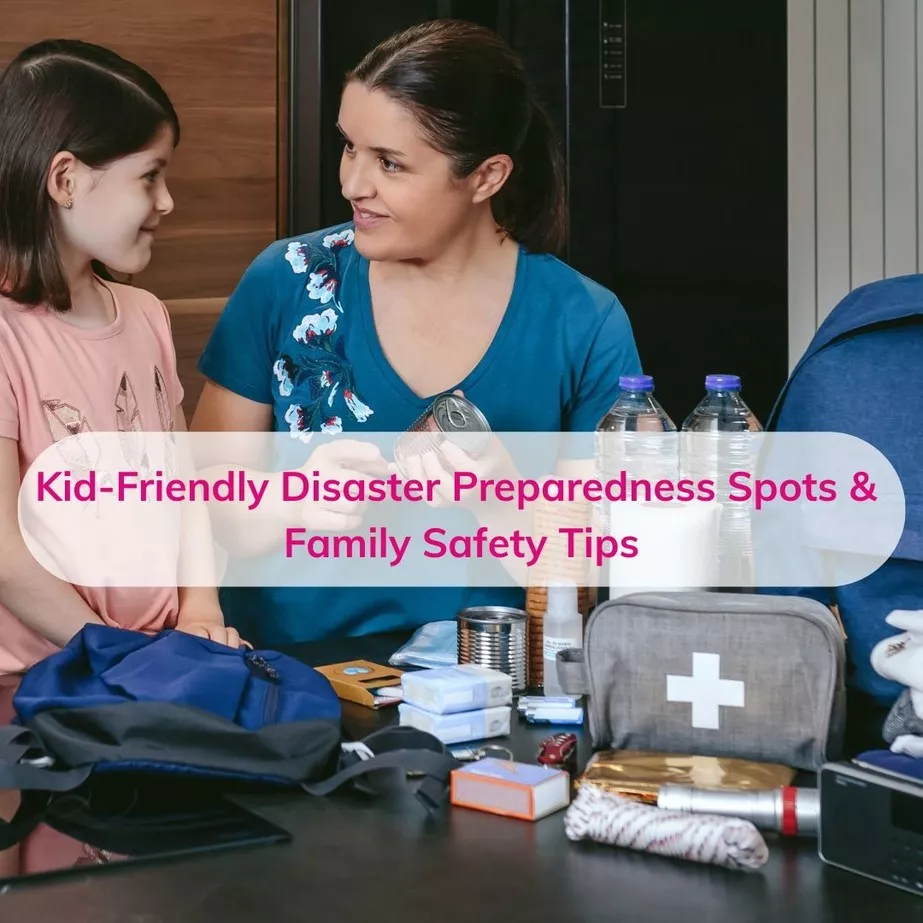
Kid-Friendly Disaster Preparedness Spots & Family Safety Tips
Did you know that every September is designated as Disaster Preparedness Month in Japan?
It was established to commemorate the Great Kanto Earthquake of September 1, 1923, and because September is a month when natural disasters such as typhoons and heavy rains often occur. The goal is to remind families to be prepared and deepen their knowledge about disaster safety.
In recent years, earthquakes, typhoons, and floods have become more frequent, and for families with children, disaster preparedness has become an essential part of daily life.
In this article, CareFinder introduces useful family disaster preparedness checklists and fun disaster prevention experience spots for kids. We also highlight the importance of making a safety plan together with your babysitter, so that everyone can act quickly and safely in case of an emergency.
1. Basic Disaster Preparedness with Kids
Disasters can happen anytime, anywhere. Start with everyday steps your family can take:
Disaster alert settings: Make sure your smartphone and radio are set up to receive emergency alerts.
Emergency supplies: Keep flashlights, a portable radio, a first-aid kit, drinking water, food, and important documents together in one place.
Child safety education: Teach young children to say their full name, address, and parents’ phone numbers.
💡 Tip: The Tokyo Disaster Preparedness App is available in multiple languages (English, Chinese, Korean) and offers modes for adults, kids, and seniors.
2. Confirm Evacuation Sites and Routes
When evacuation becomes necessary, it is crucial to know how to get to the nearest shelter safely.
Identify several designated evacuation sites near your home.
Walk the routes with your children to spot potential hazards or blocked paths.
👩👩👧👦 Important for families using babysitters
If you use CareFinder sitters, make sure to confirm in advance:
- Which evacuation sites to use
- Where to meet in case of emergency
- Where emergency supplies are stored
This ensures that even if a sitter is with your child during a disaster, they will know how to respond safely.
3. Essential Disaster Supplies for Families with Children
When evacuating with children, certain items are especially important:
- Baby food, ready-to-drink formula, and water for infants
- Sturdy shoes that fit your child’s feet
- Prescribed medicine (including allergy medication)
- A backpack to keep your hands free
- Towels or blankets
- Comfort items like toys or origami to reduce stress
For families with infants: don’t forget diapers, wipes, and a copy of the Maternal and Child Health Handbook.
4. Kid-Friendly Disaster Preparedness Experience Spots in Japan
Explaining disaster preparedness to children can be challenging. A great way to teach them is by visiting facilities where kids can learn through hands-on experiences:
Sona Area Tokyo (Tokyo): Experience an earthquake simulation and join quiz-based programs about disaster safety.
Tachikawa Bosai-kan (Tokyo): Try earthquake, fire, and VR disaster simulations.
Chiba Western Disaster Prevention Center (Chiba): Join a guided tour including earthquake, smoke evacuation, and fire-fighting drills.
Kanagawa Prefectural Disaster Prevention Center (Kanagawa): Hands-on simulations plus detailed exhibits.
Saitama Disaster Prevention Learning Center (Saitama): Learn through earthquake, strong wind, and fire drills, plus fun workshops.
Abeno Tascal (Osaka): Experience earthquake, smoke, and tsunami evacuation scenarios through guided tours.
Visiting these facilities with your child helps them naturally build disaster awareness.
5. Create a Disaster Plan with Family and Babysitters
Prepared supplies and evacuation site information should be shared not only with family members but also with babysitters and grandparents.
- Use the Tokyo My Timeline tool to create a personalized family evacuation plan.
- Practice evacuation drills regularly.
- Share the plan with sitters and anyone else who may care for your child.
Conclusion: Strengthen Disaster Preparedness with Family + Sitters
Natural disasters are unpredictable. The best way to protect children and families is through daily preparation and practice.
CareFinder encourages families to discuss and confirm evacuation sites and contact methods with sitters in advance, so that everyone can act with confidence when it matters most.
This September, take the opportunity to visit disaster experience facilities with your children and review your family’s disaster plan together.
Recent news


